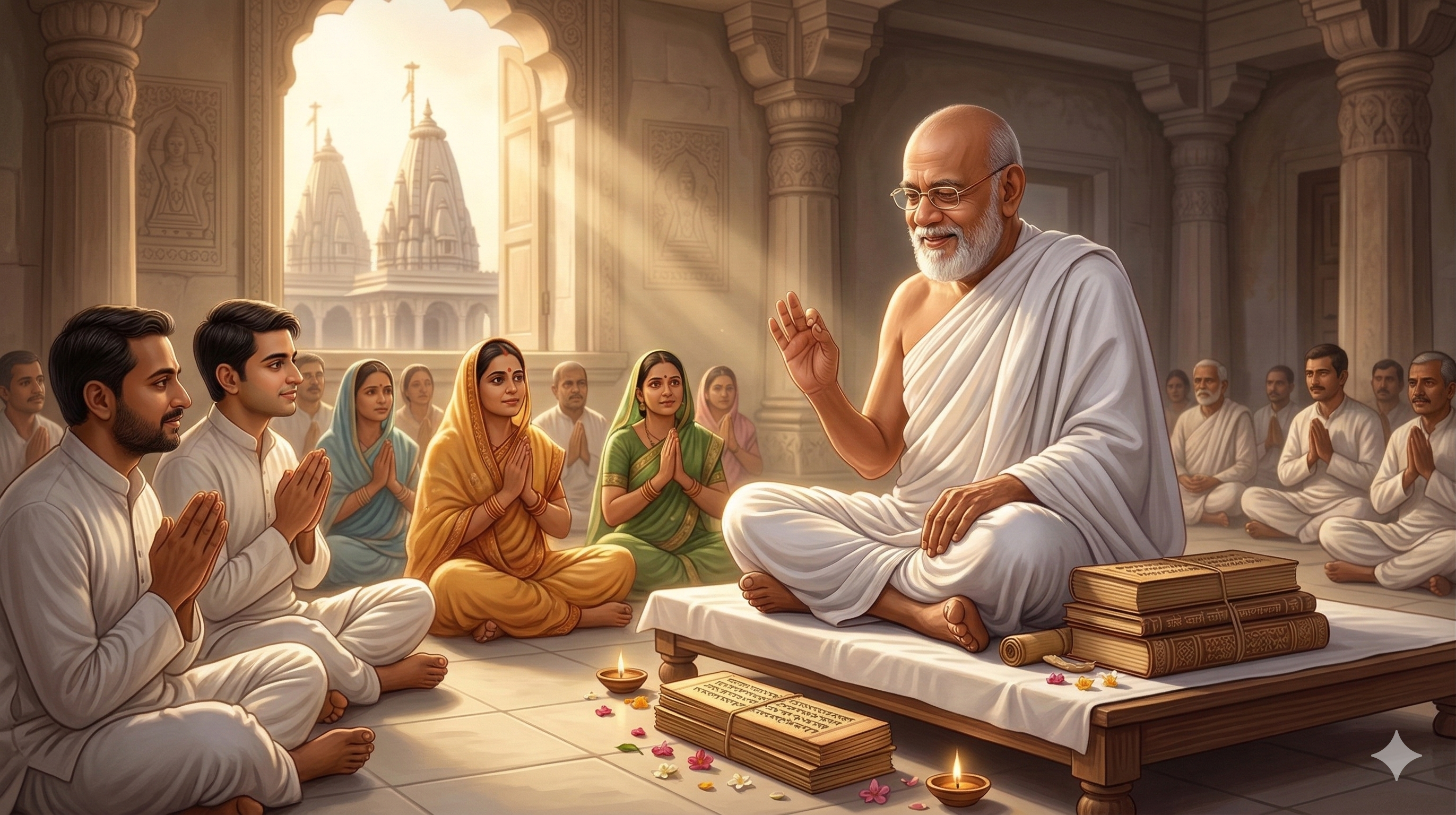
Teachings & Philosophy
Exploring the profound wisdom, spiritual discourses, and transformative philosophy of Acharya Ratnasundarsurishwarji Maharaj Saheb.
Exploring the profound wisdom, spiritual discourses, and transformative philosophy of Acharya Ratnasundarsurishwarji Maharaj Saheb.
His teachings draw from the timeless wellspring of Jain philosophy, offering practical wisdom for modern life while remaining rooted in ancient truth.
The supreme moral duty — extending compassion to all living beings in thought, word, and deed.
The Jain principle of multiple perspectives — teaching that truth is multifaceted.
Freedom through detachment — showing how liberation from material desires leads to inner peace.
Renowned for his logical reasoning and captivating lecture style, Acharya Maharaj Saheb's pravachans are not mere religious sermons — they are transformative experiences that blend scriptural depth with contemporary relevance.
His lectures have been broadcast on national television and continue to reach millions through digital platforms.
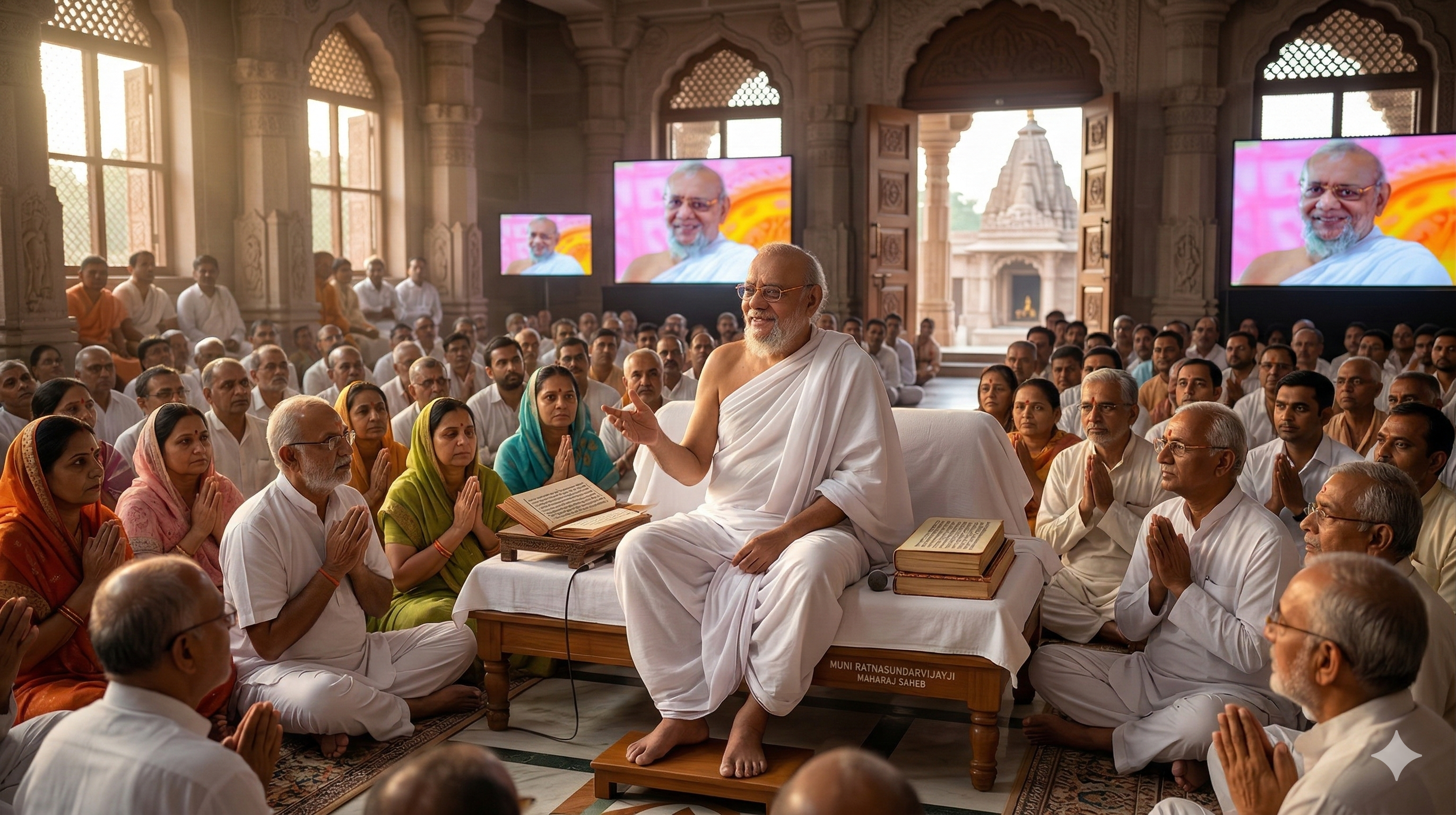
"The greatest battle is not fought with weapons on a battlefield, but with patience and persistence within oneself."— Acharya Ratnasundarsurishwarji Maharaj Saheb
What sets Acharya Maharaj Saheb apart is his extraordinary ability to make ancient Jain wisdom accessible and actionable for modern audiences.
From helping individuals overcome addiction and negative habits to guiding communities toward ethical living, his influence extends far beyond the traditional confines of religious discourse.
He is described by his followers as a motivator, spiritual guru, lecturer, and teacher of life — one whose writings and speeches have positively impacted millions across India and the world.
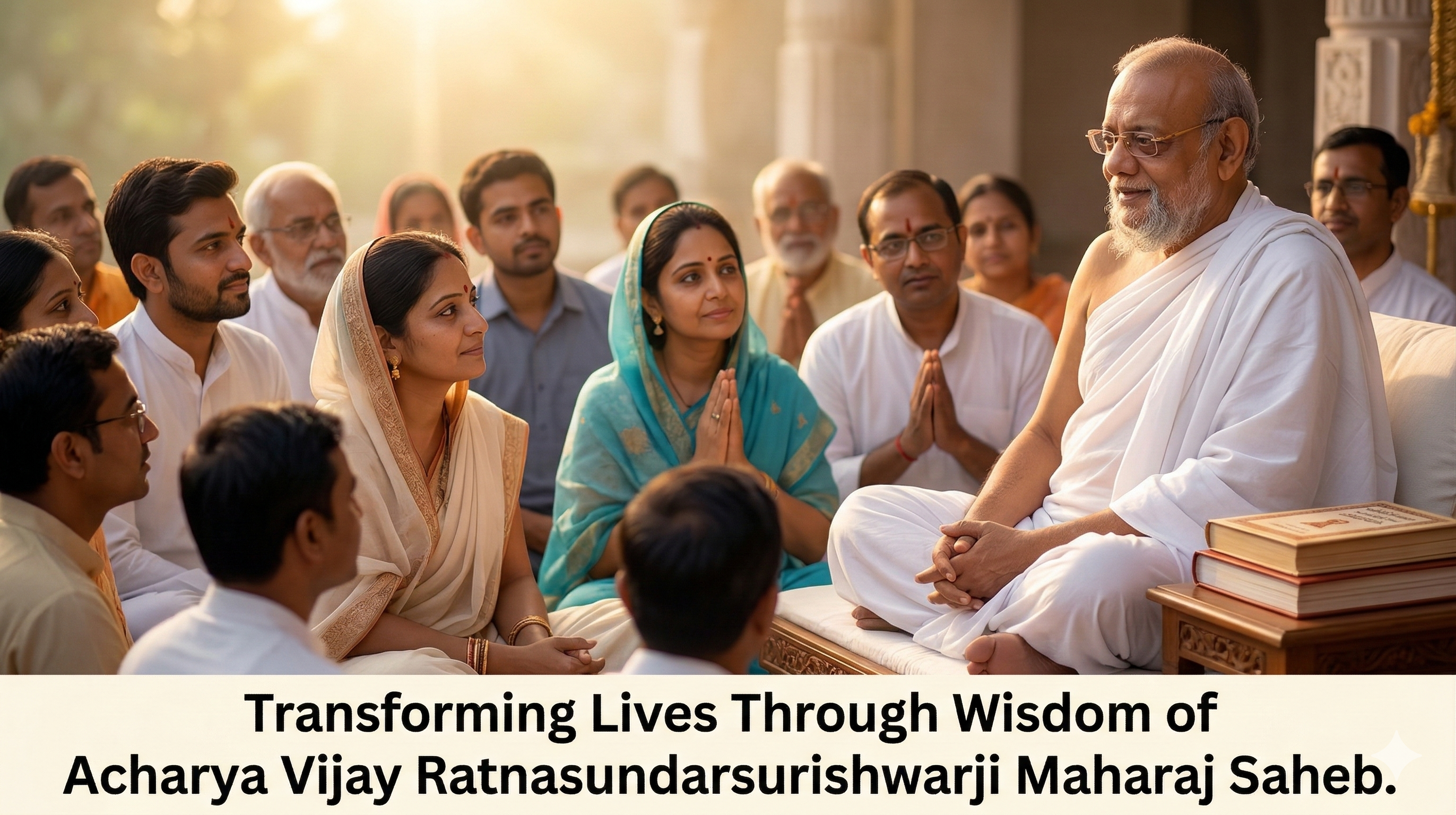
Central to his teachings is the practice of meditation and intense self-discipline. He teaches that the path to spiritual liberation begins with self-awareness and the rigorous training of the mind.
His guidance on meditation draws from the rich tradition of Samayika (equanimity meditation) and Pratikramana (introspective repentance) — foundational Jain practices that he makes accessible through clear, practical instruction.
By his own example — decades of unbroken ascetic practice, continuous study, and selfless service — he demonstrates that the highest teachings are those lived, not merely spoken.
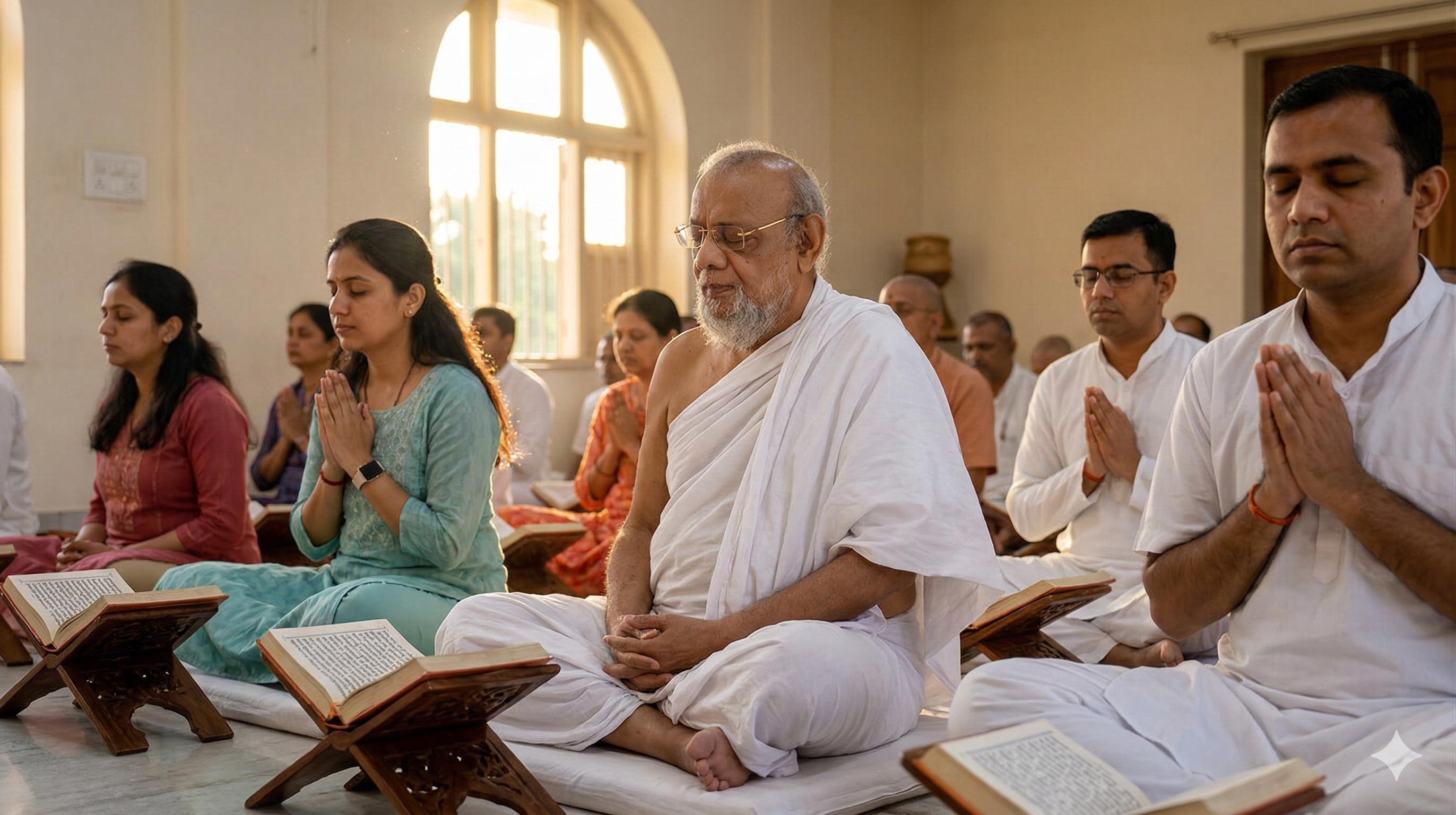
"A person's true character is revealed not in moments of comfort, but in moments of challenge and adversity."
"Knowledge without compassion is like a lamp without oil — it may shine briefly but cannot sustain its light."
"The highest form of worship is service to those in need. In lifting others, we elevate ourselves."
"Peace is not the absence of conflict, but the presence of equanimity in the midst of it."